
Furniture House No.1 — A Shigeru Ban House at Lake Yamanaka
Furniture
supports the home.
A 1995 Case Study House in the forest
When was the last time doing nothing felt this good?
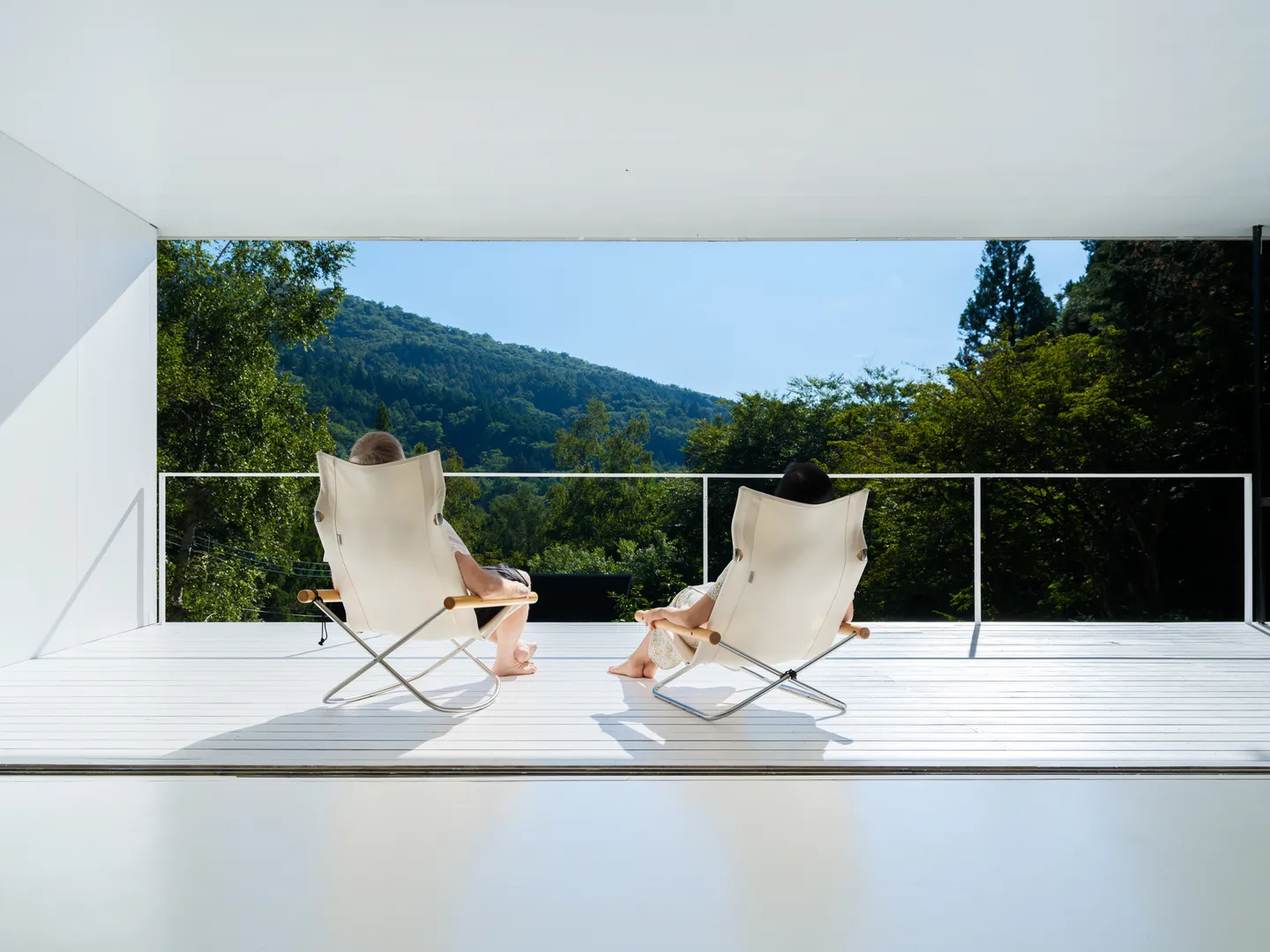
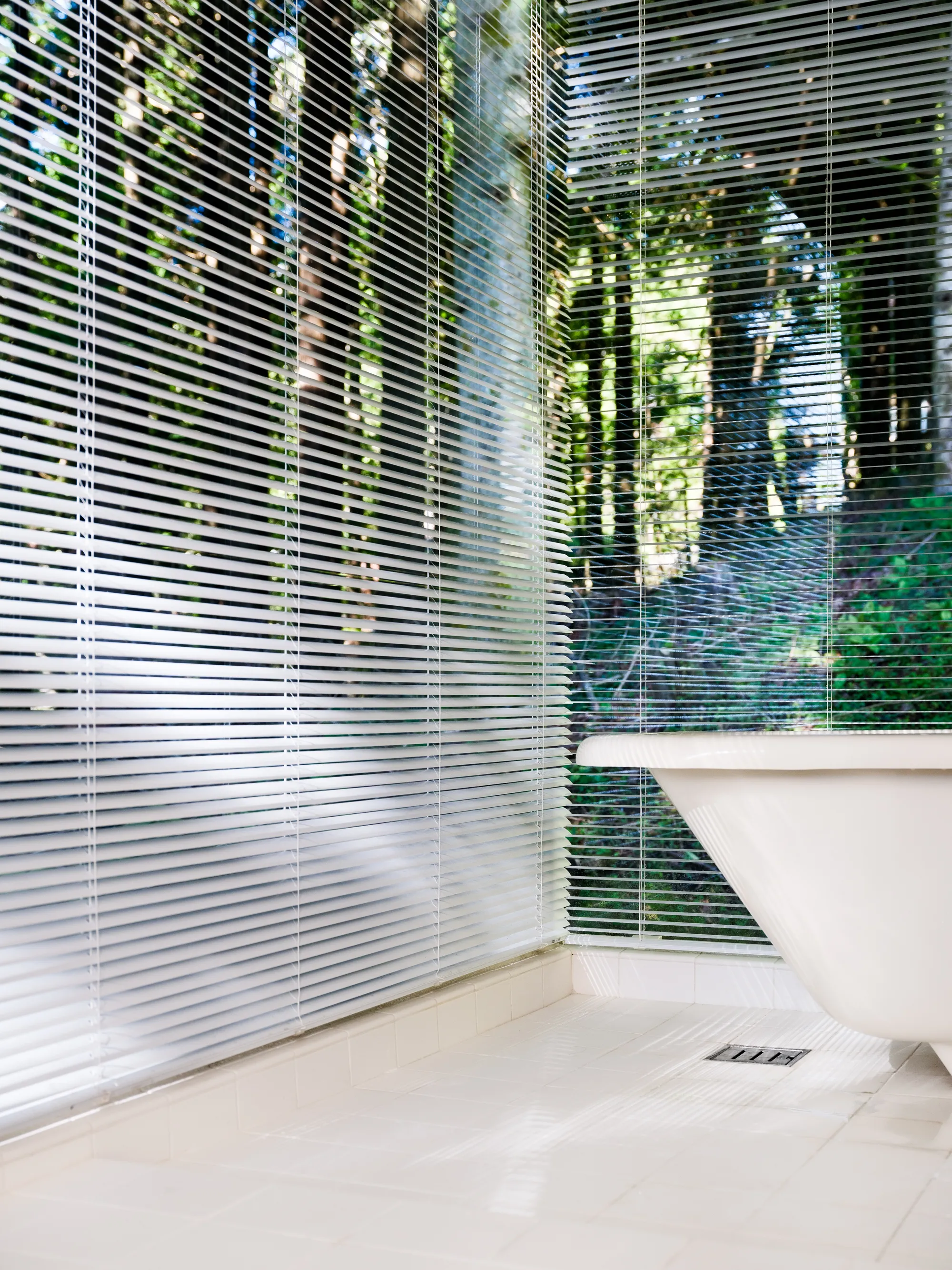
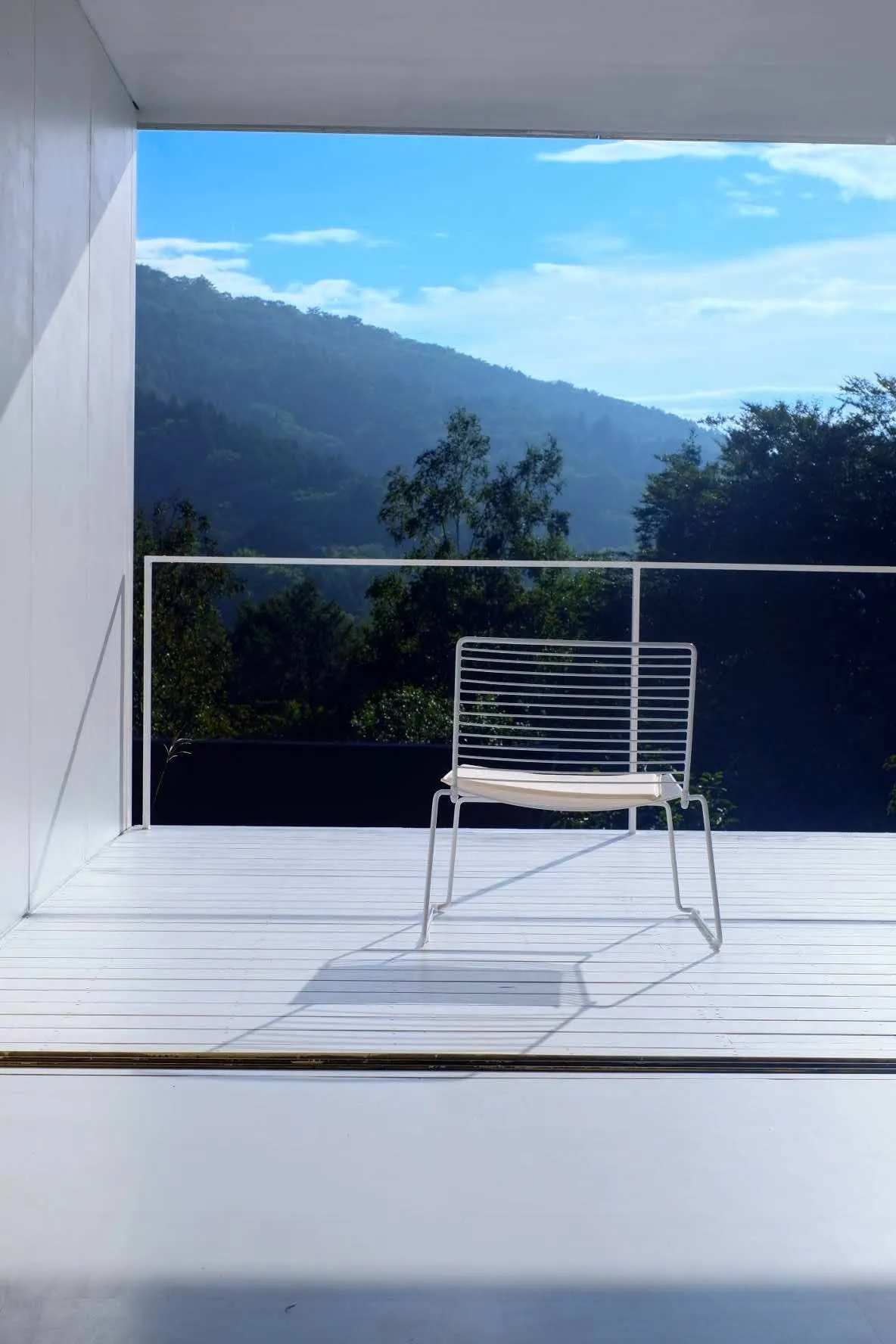
Morning light streaming through large windows. A breeze flowing across the terrace. A bath surrounded by forest. In this house, simply being here lets the tension melt away from deep within.
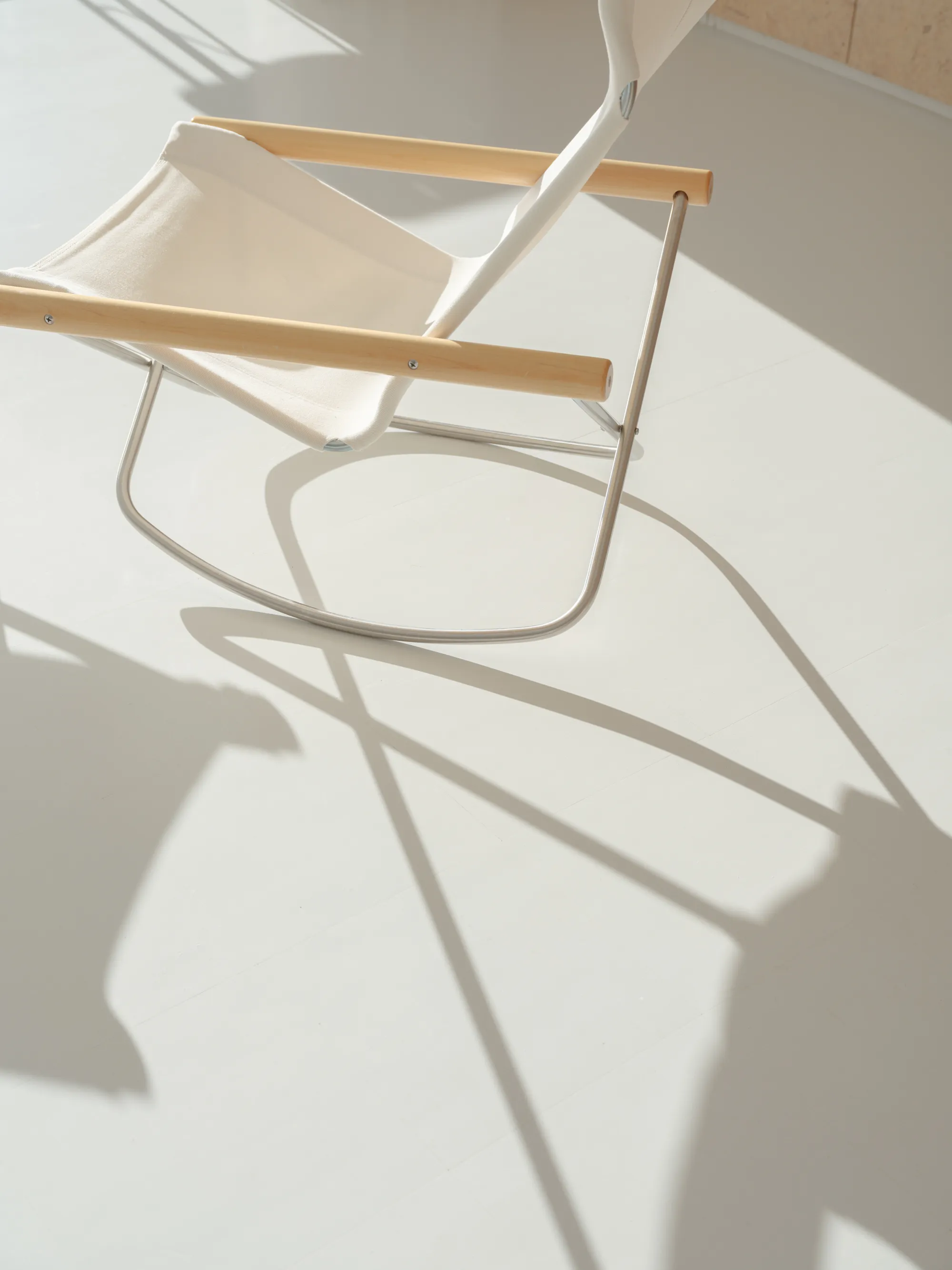
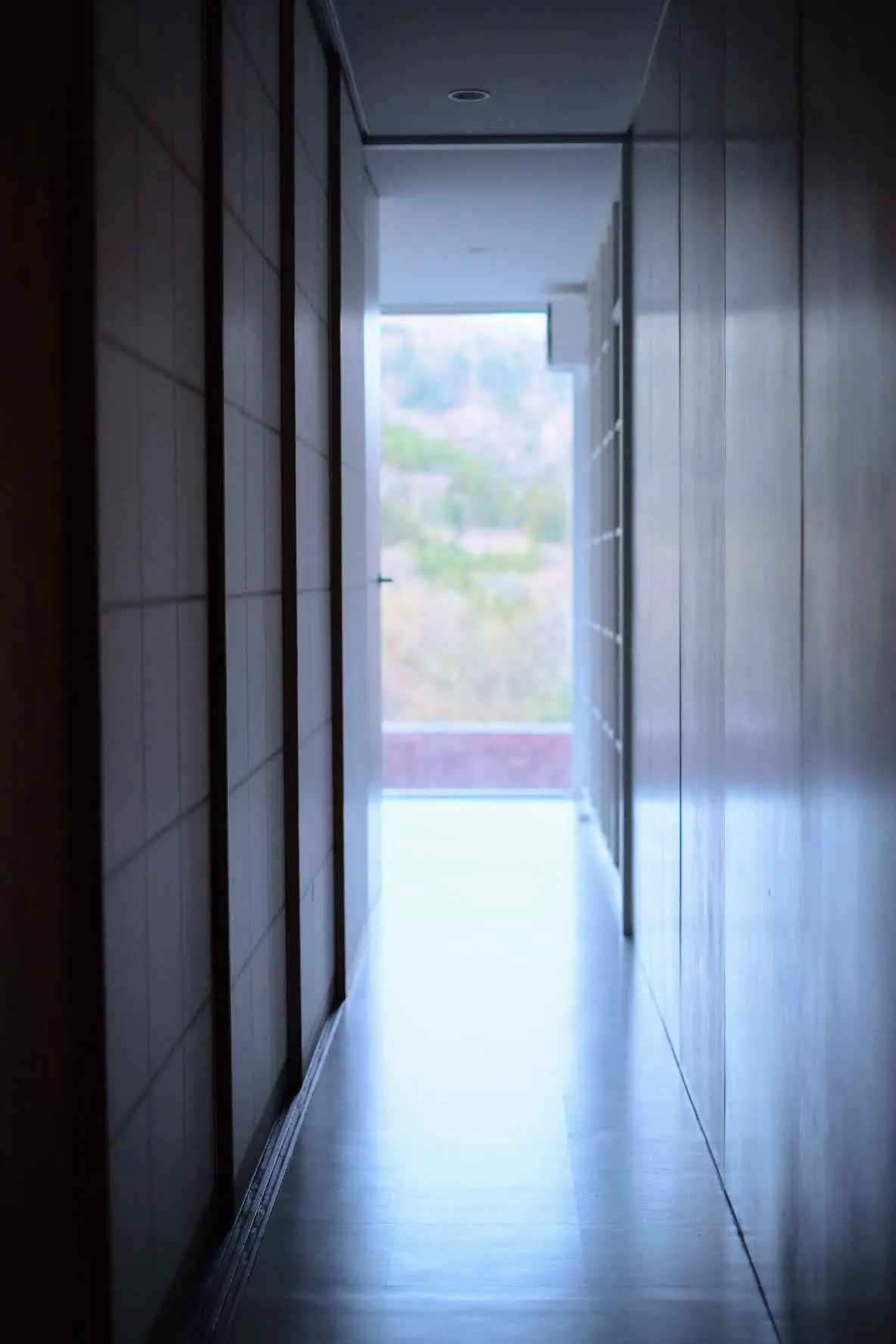
In this building, the furniture doubles as structural columns, supporting the house itself. Because the space is divided by furniture rather than walls, wind and light move freely, creating an openness you feel wherever you are.
Before you know it, you sleep more deeply, and wake earlier than usual. Come and experience this different rhythm of time, even if just for a moment.
A House Where
the Wind Passes Through:
Furniture as Structure
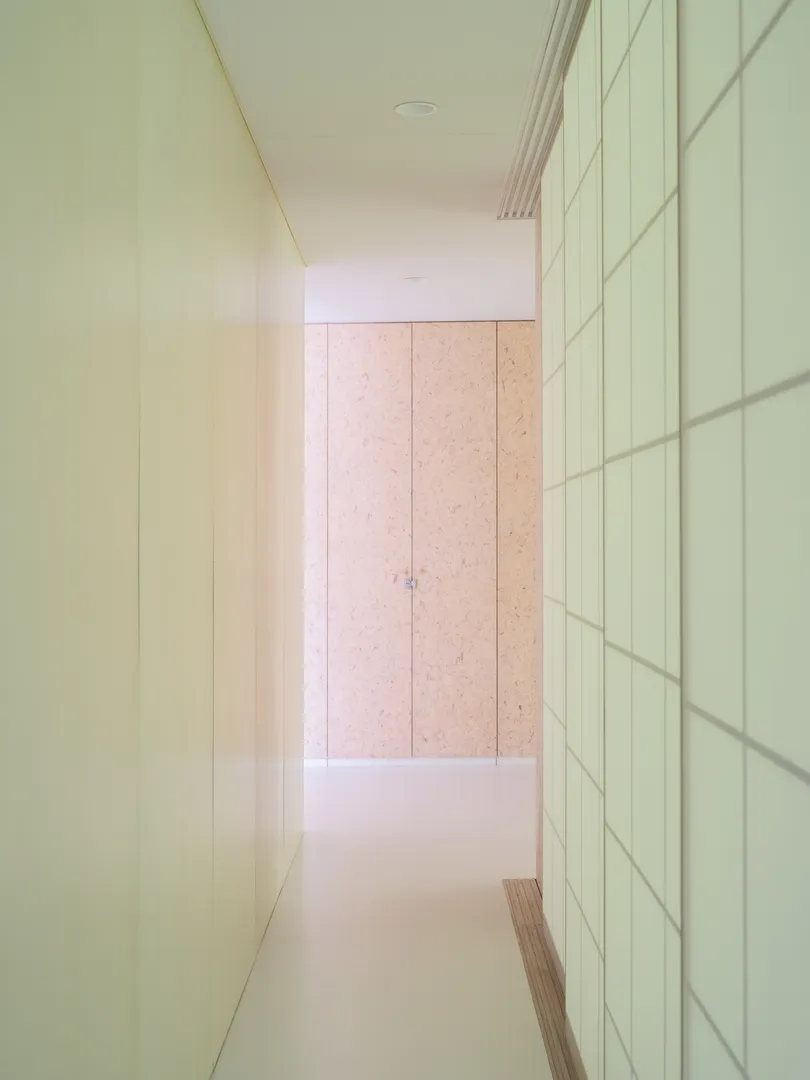
Our encounter with "Furniture House No.1" was in the summer of 2023. Nestled quietly in the forest, we were naturally drawn to this space. When we first stepped inside, what caught our eye was the orderly arrangement of furniture units and the roof resting lightly upon them. The furniture itself supports the house — it felt less like architecture and more like "structure itself," floating in space.
This house was built in 1995, designed by the architect Shigeru Ban. Ban is also known for his disaster-relief architecture and received the Pritzker Prize in 2014. What defines this building is that the furniture units serve directly as structural elements. The furniture supports the roof, becomes walls, and divides the space.
The resort area where this house stands was once a place where Japan's leading creators established retreats of their own and built vacation homes, but deterioration is gradually causing them to disappear. Among the three houses designed by Shigeru Ban, two have already been demolished due to deterioration.
"Furniture House No.1" also needed restoration. The humid environment had taken its toll on the foundation over many years. In the winter of 2024, we undertook the restoration work of replacing the corroded foundation and flooring entirely while preserving the roof and furniture structure. The sight of the furniture suspended in mid-air while the floor was dismantled seemed to embody the very structural concept of this house.
Spending time in this house, you begin to notice how the flow of air, the shifting light, and even the way sound is absorbed are all guided by the furniture. The boundary between inside and outside is infinitely gentle, the wind passes through freely, and the architecture feels as if it is quietly breathing.
People use it, wind moves through it, architecture breathes — we were captivated by this experience. We want as many people as possible to not just look at it, but actually stay here, spending quiet hours surrounded by furniture that serves as structure, experiencing this wondrous sensation. In doing so, this house will continue to live on, without decay, for years to come.
Furniture House No.1 Management Committee
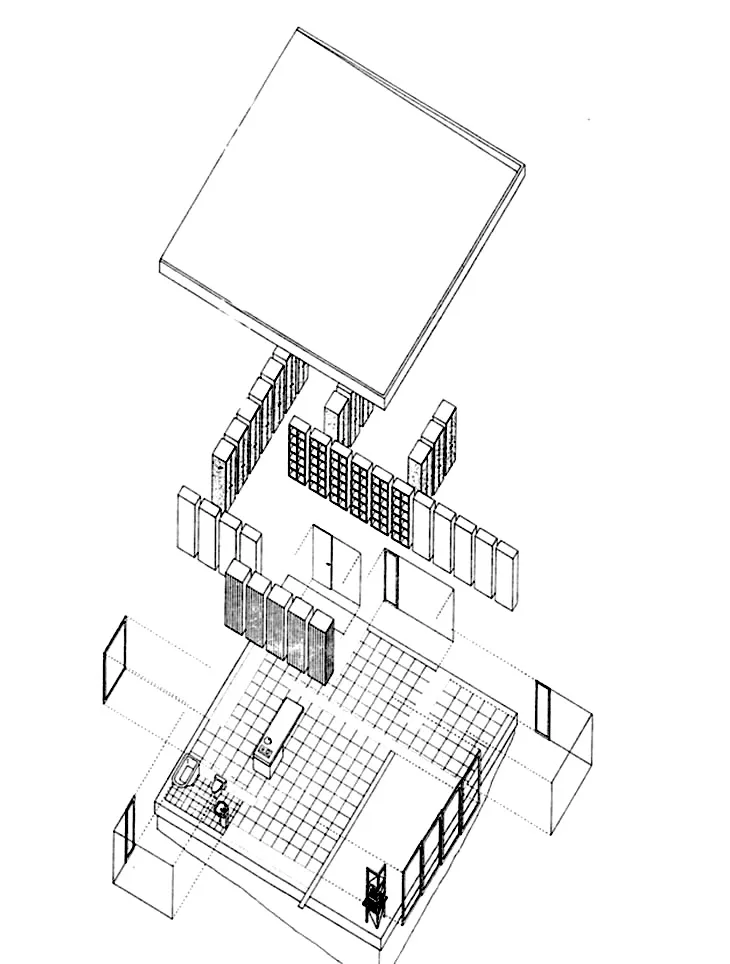
Furniture functioning as structure
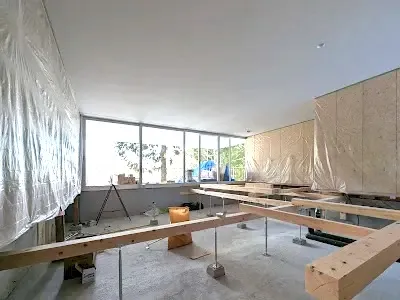
Foundation and floor restoration with furniture preserved
Facility Information
About the Resort Area
This resort area was developed in the late 1960s. What distinguished it was that Japan's leading creators of the time commissioned architects — both established masters of modern Japanese architecture and young architects who would later gain international acclaim — to design their own vacation homes as opportunities for creative experimentation. They formed a community that transcended disciplines, inspiring one another.
However, as time has passed, these precious architectural works have gradually disappeared, and with them, the memory and cultural value of this place have been fading. It is our hope to deeply recognize the rich stories of this land and the impact it had on Japan's creative scene, and to pass them on to the future.